A roll off dumpster bin is the standard way to handle a large volume of waste in one place, whether you are renovating a home, clearing a property, or running a job site. It is an open-top container that gets delivered to your property, filled at your own pace, and hauled away when you are done. But choosing one well takes more than picking a bin off a list. You need the right size for the job, an understanding of what each bin is used for, and a clear picture of the placement and permit rules that apply in Ontario. This guide covers all three so you can book with confidence.
What Is a Roll Off Dumpster Bin?
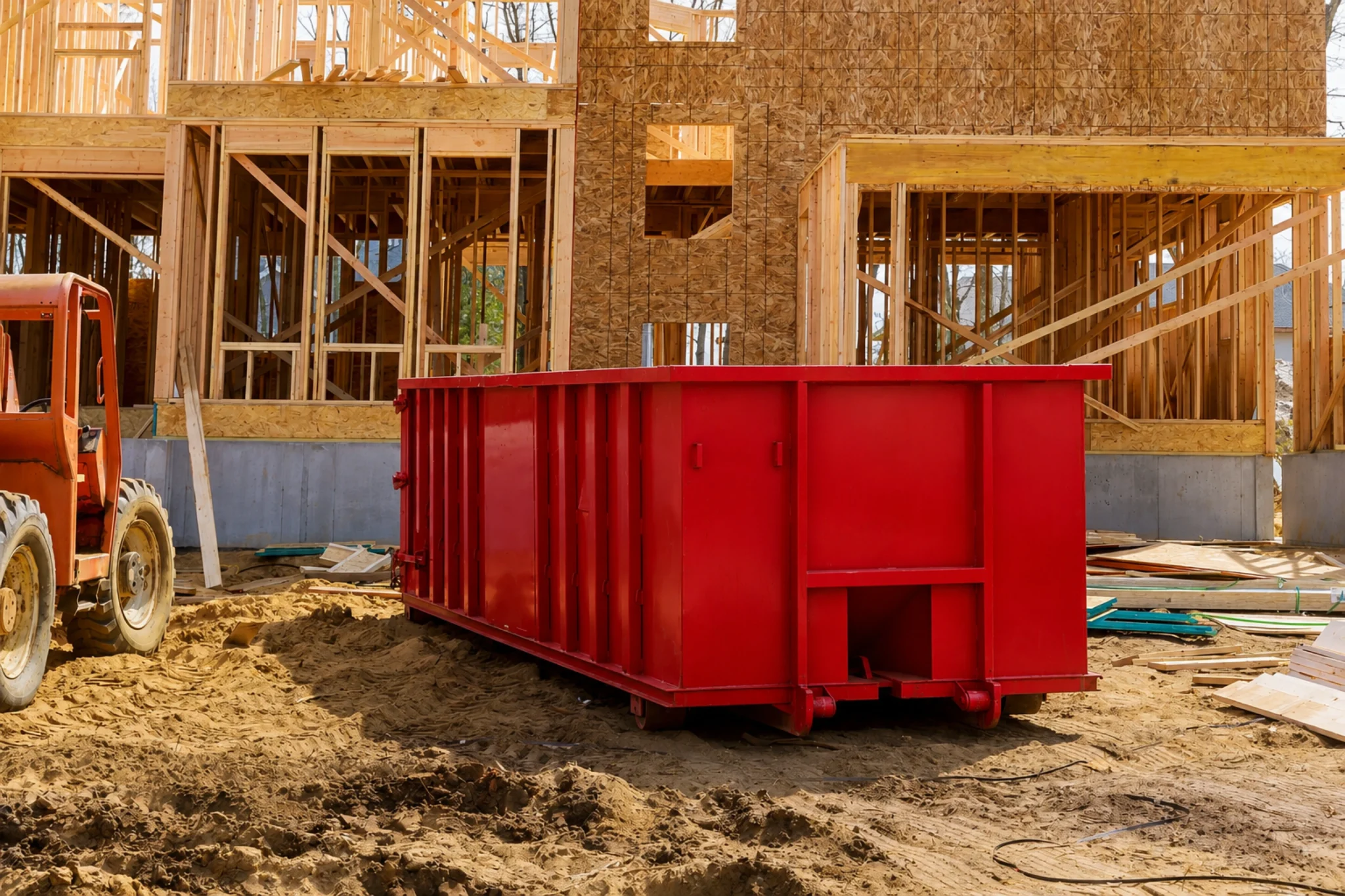
A roll off dumpster bin is a large, rectangular, open-top waste container designed for temporary use on projects that produce a high volume of debris. Rather than being purchased, it is rented for a set period, delivered by a specialized truck, and removed once it is full. The name comes from the delivery method: the truck tilts its bed and the bin rolls off the back along rails, then rolls back on for pickup. Most roll off bins have a swinging rear door so heavy or bulky material can be walked straight in instead of lifted over the wall.
People use several names for the same thing: roll off bins, roll off dumpsters, roll off containers, disposal bins, or simply dumpster rentals. Whatever you call it, the purpose is the same. It gives you one place to put all the waste from a job so the site stays clean and the work keeps moving.
Roll Off Dumpster Bin Sizes and What They Hold
Roll off dumpsters are measured in cubic yards, which describes how much the bin holds by volume. Picking the right size keeps your project on budget: too small and you pay for extra pickups, too large and you pay for space you never use. One important note is that heavy materials such as concrete, soil, and asphalt reach their weight limit long before they fill a bin by volume, so those loads go in smaller bins. The table below shows a typical range of roll off bin sizes and what each one suits.
| Bin Size | Dimensions (L x W x H) | Best For |
|---|---|---|
| 7 yard | 10 ft x 8 ft x 2.5 ft | Small garage and yard cleanouts, heavy materials like soil and concrete |
| 10 yard | 10 ft x 8 ft x 4 ft | Bathroom renovations, roofing, light construction debris |
| 15 yard | 11 ft x 8 ft x 5 ft | Mid-size renovations, basement and attic cleanouts |
| 20 yard | 14 ft x 8 ft x 5 ft | Full home cleanouts, larger renovations, construction materials |
| 40 yard | 20 ft x 8 ft x 8 ft | Large construction, demolition, and commercial projects |
How to Choose the Right Roll Off Bin Size
Start with the project, not the bin. A single-room cleanout or a small garage clear fits a 7 or 10 yard bin. Most home renovations land in the 15 to 20 yard range. Full-house cleanouts, construction, and demolition usually call for a 20 or 40 yard bin.
Then think about weight. If you are throwing out heavy material like concrete, soil, brick, or asphalt, size down, because those loads hit the weight limit fast and need a smaller, dedicated bin. When you are between two sizes, the larger one is often the safer pick, since a second pickup for an undersized bin usually costs more than the difference in bin size. When in doubt, tell us about your project and we will recommend the right size before you book.
What Are Roll Off Dumpster Bins Used For?
Roll off bins earn their keep any time a project produces more debris than your regular garbage can handle. Common uses include home renovations and remodels, full-house or estate cleanouts, roof tear-offs, deck and shed removals, yard and landscaping cleanups, and construction or demolition work. On a job site in particular, a bin keeps debris contained and the work area safe, which is why so many contractors keep one on site for the length of a build.
Because different projects produce different waste, the right bin is matched to the material. At Hersey Bins we offer dedicated options for residential bin rentals and construction bin rentals, which keeps disposal correct and pricing predictable. If you are managing a build, our guide to construction garbage removal covers debris handling in more detail.
Roll Off Bins vs Other Container Types
A roll off bin is not the only way to handle waste, but for one-time projects it is usually the most practical. The main difference between a roll off bin and other containers comes down to whether the container is temporary or permanent, and how much it can hold.
| Container Type | Best For | How It Works |
|---|---|---|
| Roll off bin | Temporary projects: renovations, cleanouts, construction | Delivered and removed by a roll off truck; open top, rear door |
| Front load bin | Ongoing business waste | Stays on site permanently and is emptied on a schedule |
| Permanent dumpster | Regular commercial waste needs | Long-term container with scheduled pickups |
| Dump trailer or bag | Very small, light loads | Lower capacity, not suited to heavy or bulky debris |
In short, a roll off bin is the right tool when you have a defined project with a start and an end. If your need is ongoing business waste instead, a permanent commercial dumpster on a scheduled pickup makes more sense. And if you are weighing a bin against hiring a crew, our guide on bin rentals versus junk removal compares the cost and convenience of each.
Roll Off Bin Rules in Ontario: Placement and Permits
This is the part most guides skip, and it is where projects go wrong. Where you put a roll off bin determines whether you need a permit, and the rules differ across Ontario. Getting it right up front saves you from fines, delays, and removal orders mid-project.
Placing a Roll Off Bin on Your Driveway
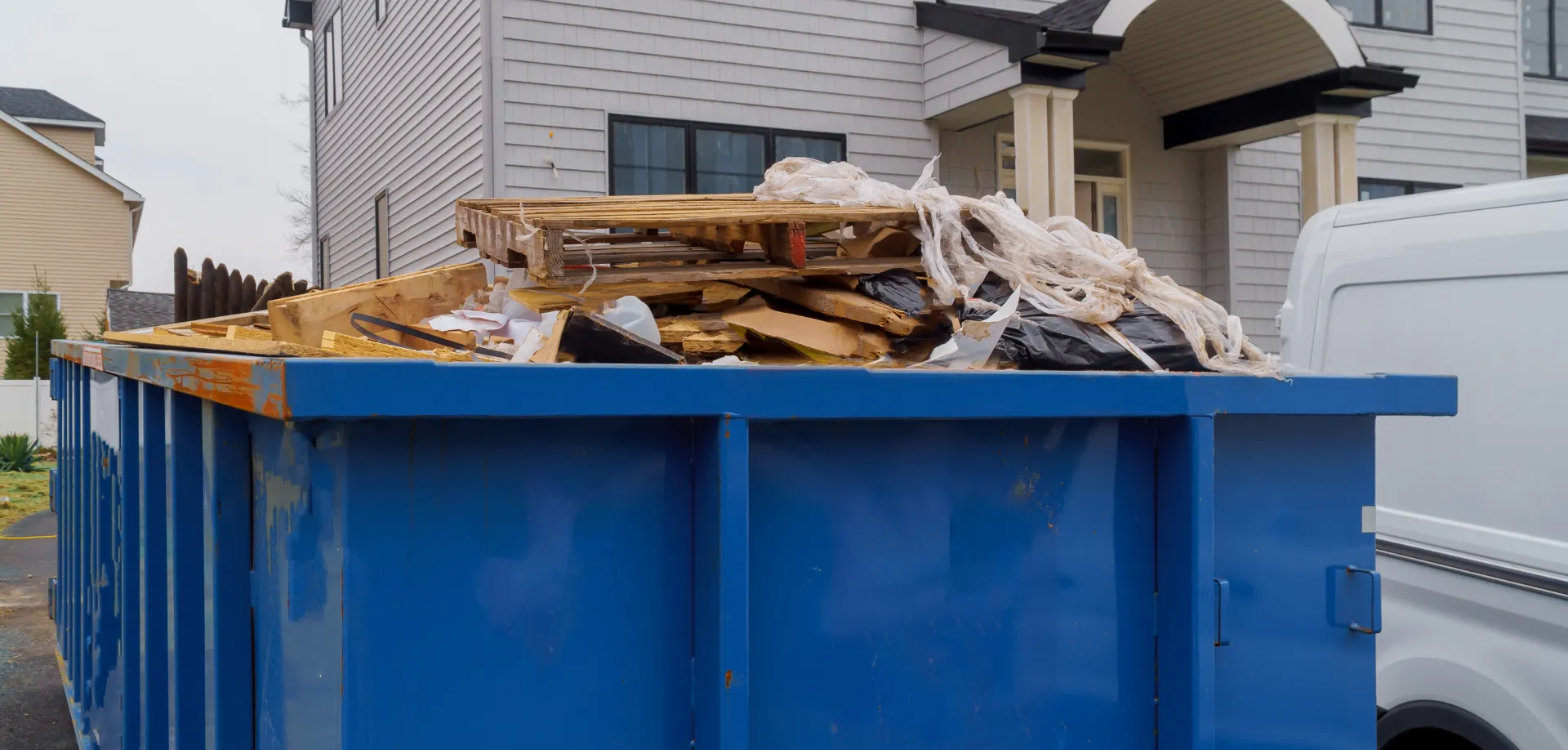
The easiest and most common place to put a roll off bin is your own driveway. As long as the bin fits and does not block a sidewalk, a fire route, or your neighbours, private property placement is almost always allowed and needs no permit. It is also the most cost-effective option because there are no municipal fees involved.
Placement does take a little planning. The bin needs a flat, solid surface such as a paved or gravel driveway, room for the truck to back in and tilt, and clear overhead space free of low branches, wires, and eaves. Move vehicles out of the way before delivery, and on a sloped driveway let us know so we can set the bin safely. We place boards under every bin to protect the surface either way.
When You Need a Permit for Street Placement
Things change the moment any part of the bin sits on public property. In most Ontario municipalities, a bin cannot extend onto a city road, boulevard, or sidewalk without a permit, and even a few inches over the property line can be enough to trigger a bylaw complaint. If your driveway is short, shared, or you have no driveway at all, street placement with a permit may be the only option.
The permit name and process vary by city. In Kitchener, occupying any part of a city road, sidewalk, or boulevard requires a road occupancy or work permit, and bins on a regional road go through the Region of Waterloo. In Guelph, a Street Occupancy Permit is required to occupy the city right of way, and the city lists disposal bins specifically among the activities that need one. In Hamilton, street or sidewalk placement requires a Temporary Lane and Sidewalk Occupancy Permit, with a minimum of five days notice before delivery. Other municipalities across Southwestern Ontario have their own equivalent road occupancy permits.
Because fees, notice periods, and application steps change from city to city and over time, always confirm the current requirements with your municipality before booking. We know the local rules across our service area and will flag whether your placement needs a permit when we confirm your order. Skipping a required permit is not worth the risk: an unpermitted bin on public property can lead to a fine or an order to remove it immediately, which can stall a project mid-job.
What You Can and Cannot Put in a Roll Off Bin
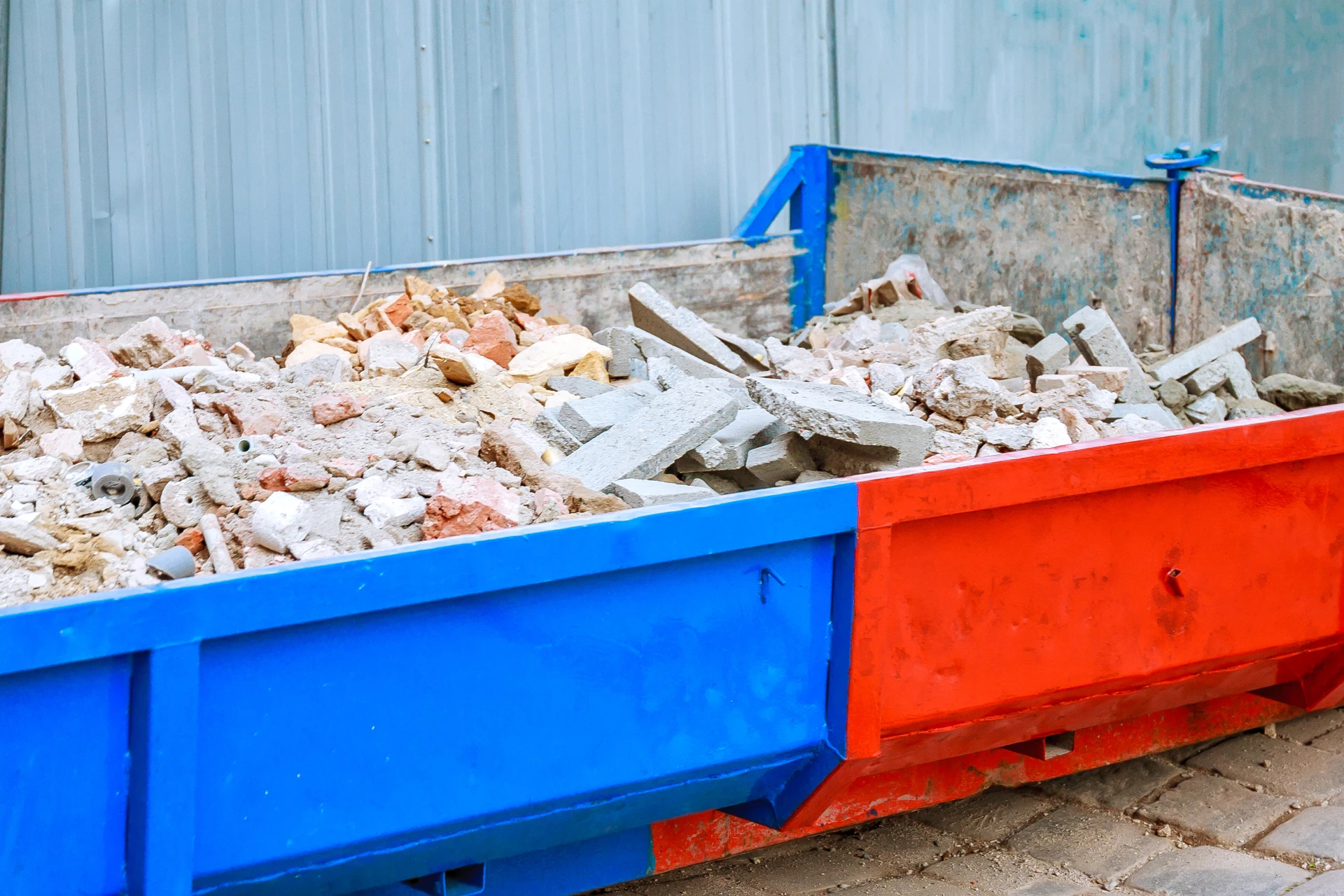
A roll off bin handles most renovation and construction waste, including wood, drywall, flooring, roofing shingles, metal, furniture, and general household junk. Soil, concrete, and asphalt are accepted too, in the appropriate bins and within weight limits.
Some materials are never allowed in a roll off bin. Hazardous waste such as paint, chemicals, automotive fluids, tires, propane tanks, and asbestos is prohibited under Ontario waste regulations because of fire and contamination risk. When you are unsure about a specific material, the safest move is to call us before loading it. If your project is a build or a teardown, it also helps to understand the difference between demolition and construction waste, since it can affect how material is sorted and priced.
Renting a Roll Off Dumpster Bin in Southwestern Ontario
If you are in Southwestern Ontario, Hersey Bins has been renting roll off bins as a family owned and operated company since 1986. We deliver bins from 7 to 40 cubic yards, place boards under every bin to protect your driveway, sweep the area on pickup, and can flag whether your placement needs a municipal permit before we deliver. Pricing is all-inclusive and covers delivery, the rental period, pickup, and disposal, with no hidden fees. You can read more on our bin rentals overview, or request a quote and we will help you choose the right bin for the job.
Frequently Asked Questions
What is a roll off dumpster bin?
A roll off dumpster bin is a large, open-top waste container that is delivered to your property, filled with debris, and hauled away once full. It is rented for temporary projects that create more waste than regular garbage pickup can handle, such as renovations, cleanouts, and construction.
What sizes do roll off dumpsters come in?
Common roll off sizes range from about 7 cubic yards up to 40 cubic yards. Smaller bins suit garage cleanouts and heavy materials like concrete, while larger bins handle full renovations, demolition, and commercial projects. Choose by both volume and weight, since heavy material fills a bin by weight before it fills it by volume.
What are roll off bins used for?
Roll off bins are used for any project that produces a high volume of waste, including home renovations, estate and property cleanouts, roof tear-offs, landscaping, and construction or demolition work. They let you load on your own schedule rather than hauling waste away yourself.
Do you need a permit to put a roll off bin on the street in Ontario?
If the bin is entirely on your private driveway, no permit is needed. If it sits on a city road, boulevard, or sidewalk, you need a municipal road occupancy or lane occupancy permit, and the process varies by city. Confirm the current requirements with your municipality before booking, since fees and notice periods change.
Where can you put a roll off bin?
A driveway is the most common and cost-effective spot, as long as the bin fits and does not block a sidewalk or fire route. The surface should be flat and solid with clear overhead space for the delivery truck. If the bin must sit on public property, that usually requires a municipal permit.
What can you not put in a roll off dumpster?
Hazardous materials are never allowed, including paint, chemicals, automotive fluids, tires, propane tanks, and asbestos. Rules vary by material, so check with your rental company before loading anything you are unsure about.
How long can you keep a roll off bin?
A standard rental period is often around 7 days, with extensions usually available. Many companies offer flexible daily, weekly, and monthly terms so the bin can stay as long as your project needs it.