Why Construction Waste Disposal Planning Matters on Every Job Site
Waste disposal in construction is rarely the first thing a contractor plans, but it is one of the fastest ways a job goes over budget or behind schedule. Construction, renovation, and demolition activity generates roughly 4 million tonnes of waste across Canada every year, according to the Government of Canada, and the majority still ends up in landfill. A single renovation or build produces debris in volumes that surprise even experienced crews, and how you handle that debris affects your timeline, your disposal costs, and your liability on site. Planning disposal before the first wall comes down is what separates a clean, efficient job from one buried in its own mess.
The goal is simple. Get the right container on site, load it correctly, keep prohibited materials out, and divert what you can. Done well, disposing of construction waste becomes a background task instead of a recurring headache. This guide walks through where to dispose of construction waste across Southwestern Ontario, what belongs in a bin, the rules that apply, and how smart disposal keeps your site both safer and cheaper to run.
Where to Dispose of Construction Waste in Southwestern Ontario
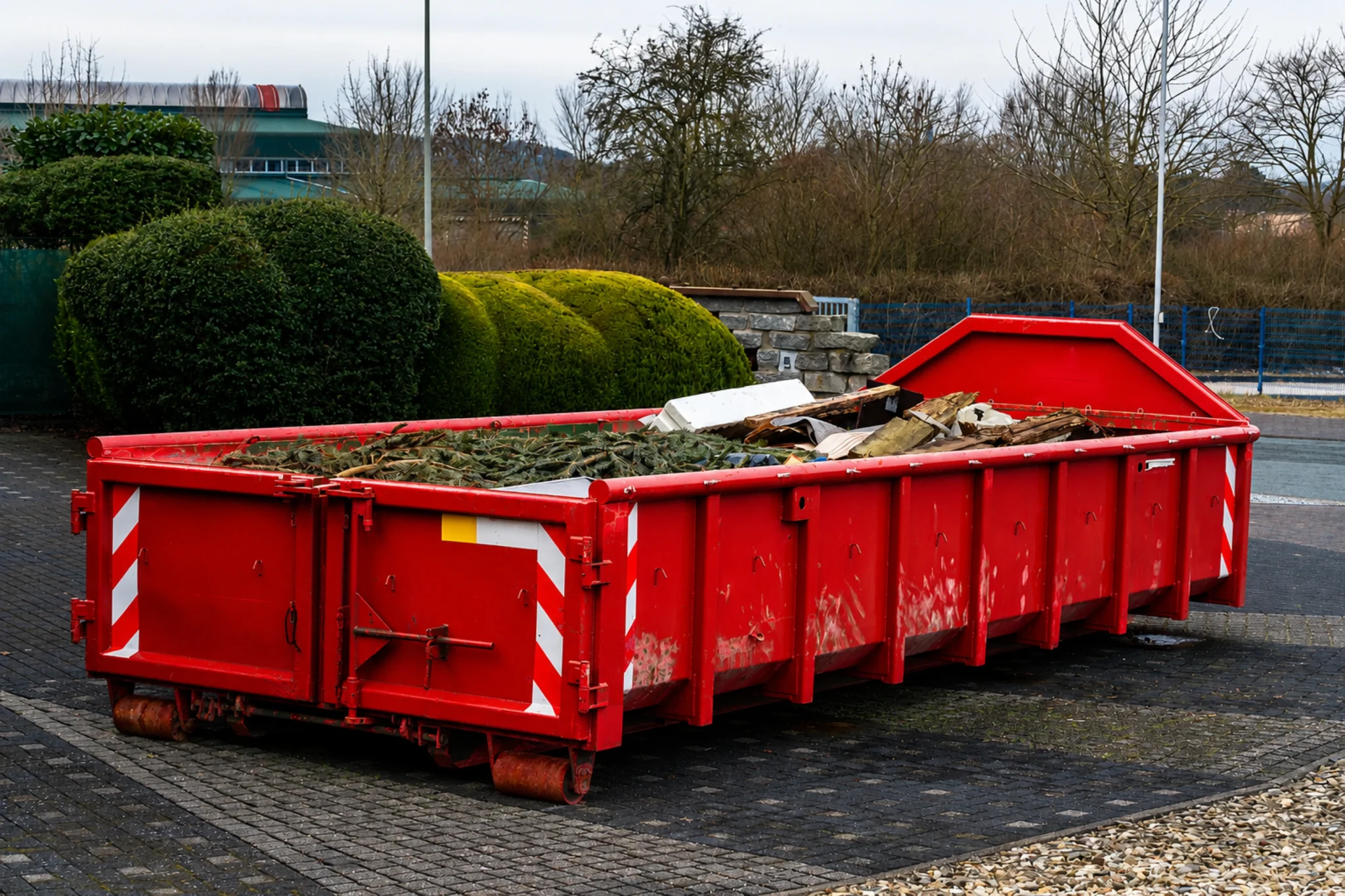
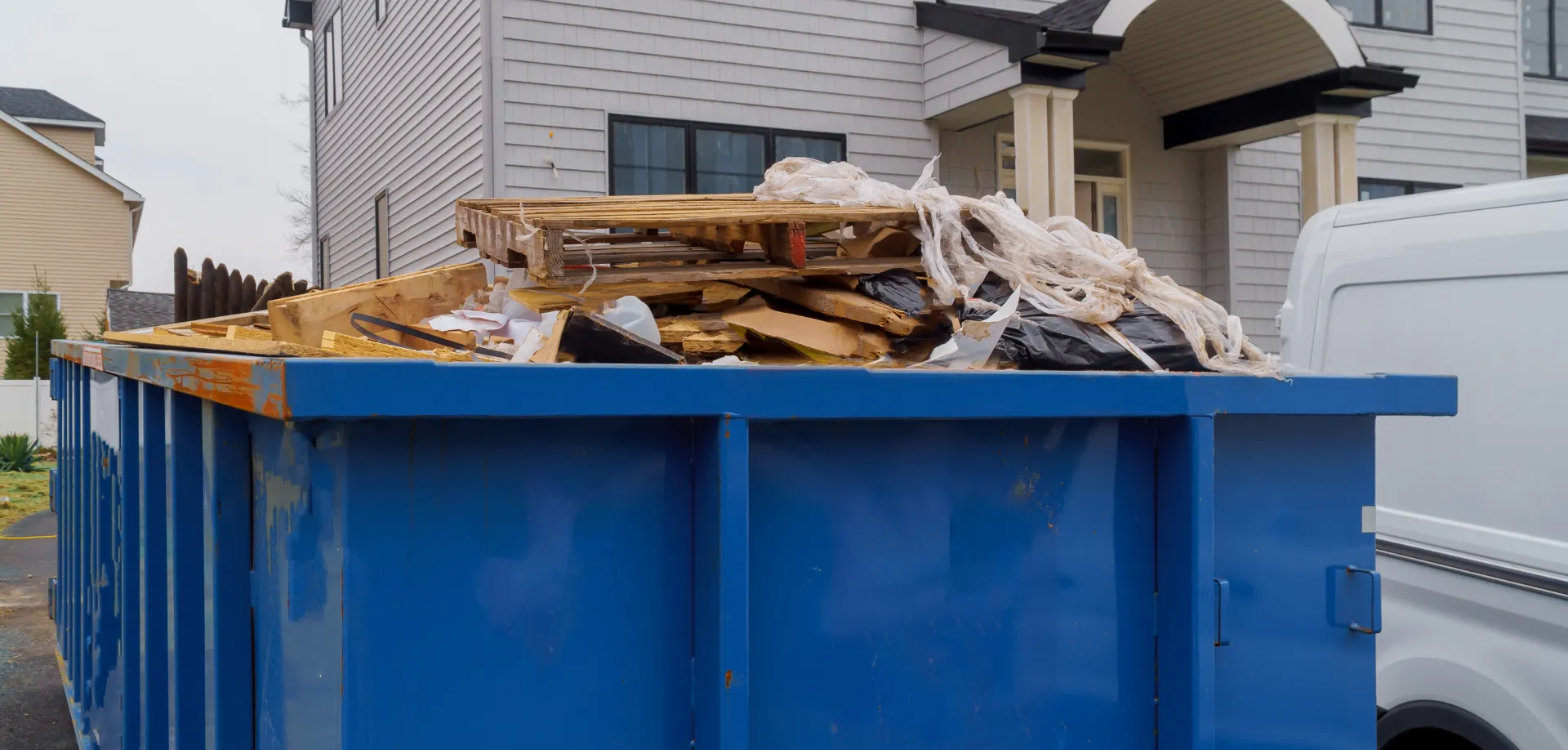
You have three realistic options for construction waste in Ontario: haul it yourself to a transfer station, hire a junk removal crew, or rent a roll-off bin for the duration of the project. For anything beyond a single small load, a bin rental is almost always the most efficient choice because the container stays on site and you load it on your own schedule.
Hersey Bins has delivered bins across Kitchener, Waterloo, Cambridge, Guelph, and the wider Southwestern Ontario region since 1986. As a family-owned and operated company rather than a national franchise, we know the local transfer stations, the regional disposal rules, and what contractors in this area actually need. A bin shows up at your site, usually within 24 hours, with wooden boards placed underneath to protect your driveway, and we sweep the area clean on pickup. For most builds and renovations, construction bin rentals handle the full range of job site debris in one container.
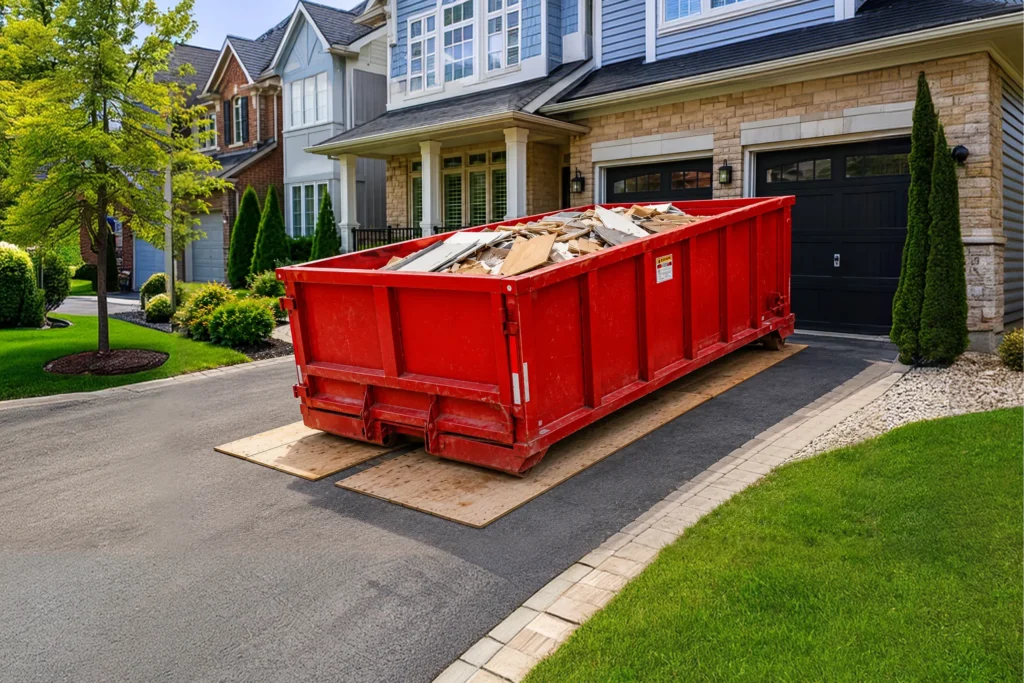
If your project is large enough to need fast turnaround, you can request a quote online or by phone and have a bin scheduled quickly. Same-day delivery is available for urgent requests, though it depends on the day’s scheduling, so call as early as possible.
What You Can and Cannot Put in a Construction Bin
Most standard construction and demolition debris is accepted in a general construction bin. The trouble starts when prohibited materials end up in the load, because that can get the entire bin rejected at the transfer station and trigger extra handling fees. Knowing the split before you load saves both money and delay.
| Accepted in a construction bin | Not accepted (requires separate disposal) |
|---|---|
| Lumber, plywood, OSB, trim | Asbestos-containing materials |
| Drywall and gypsum board | Liquid paint, solvents, and thinners |
| Concrete, brick, block, and stone | Aerosol cans and pressurized containers |
| Metal studs, rebar, ductwork, piping | Batteries and fluorescent tubes |
| Asphalt shingles and roofing felt | Appliances with refrigerants |
| Insulation, flooring, tile, and glass | Electronics and e-waste |
| General renovation and demolition debris | Tires |
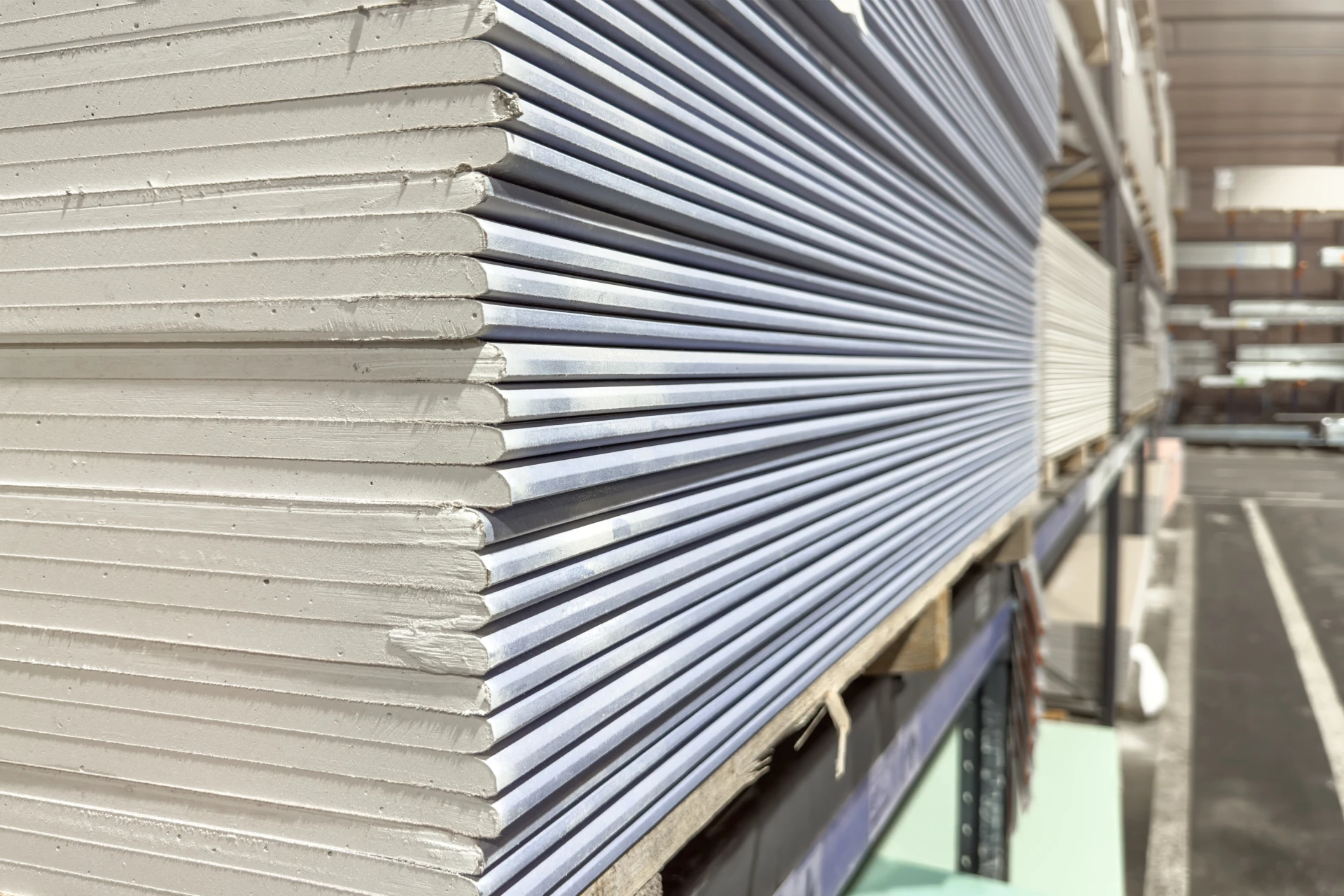
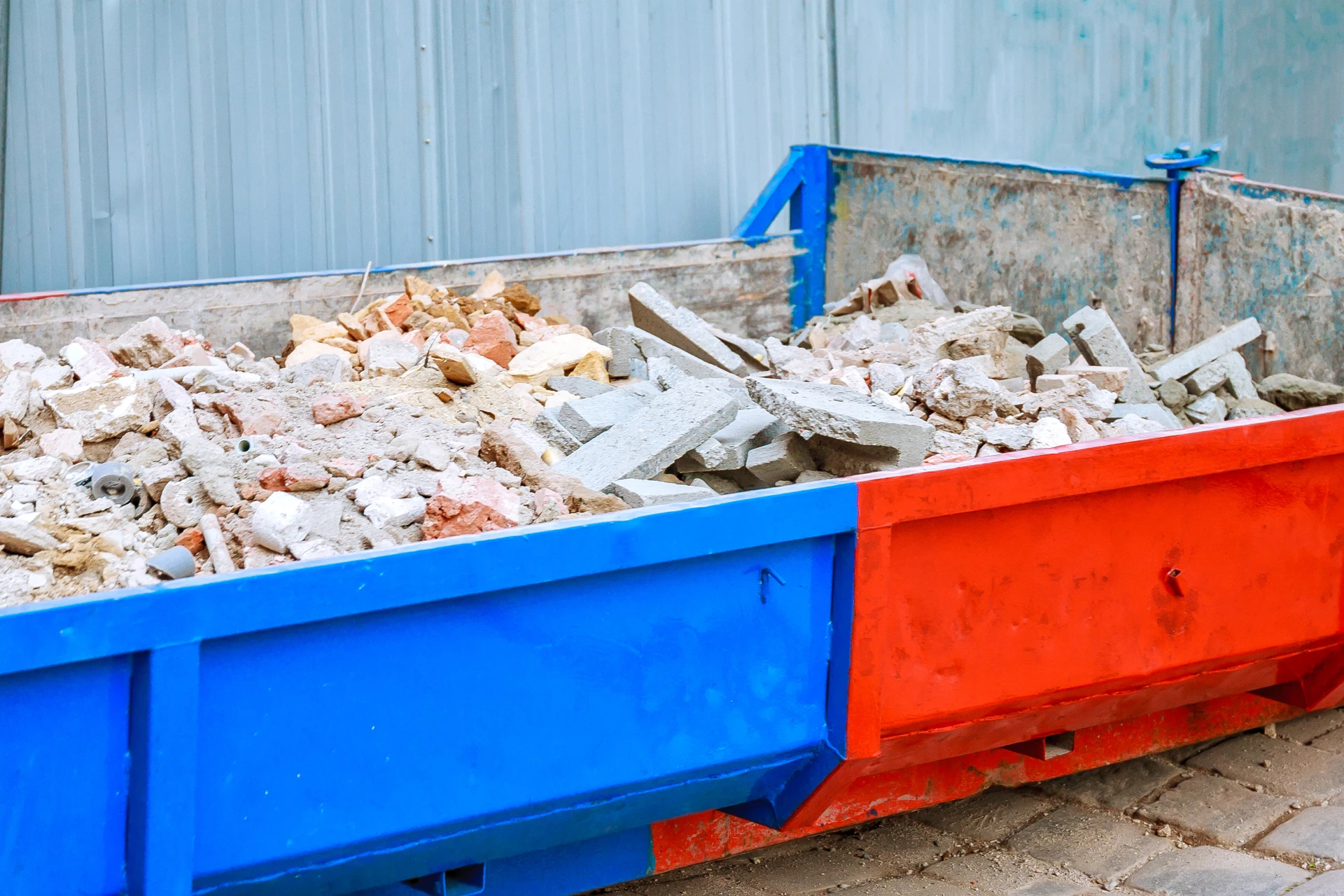
A few materials deserve special attention. Concrete, brick, and asphalt are extremely dense, so a bin loaded with them hits its weight limit long before it looks full. For heavy material like this, a dedicated concrete disposal bin sized for weight is the better call. Drywall is accepted, but because gypsum has recycling value, separating it can sometimes lower your cost, which is where a drywall disposal bin helps. Roofing tear-offs generate heavy shingle waste best handled with roofing material disposal, and clean soil or excavation material should never be mixed with general debris. Keep that in a clean fill bin rental instead.
When you are unsure whether a specific material is accepted, the safe move is to call and confirm before it goes in the bin. For a deeper local breakdown, our guide to construction garbage removal in Kitchener-Waterloo covers handling and recycling options in detail.
The Rules That Govern Disposing of Construction Waste in Ontario
Construction and demolition waste in Ontario falls under several layers of regulation. The Environmental Protection Act sets the overarching framework for what counts as waste and how it must be handled. Ontario Regulation 347, the general waste management regulation, defines the responsibilities of haulers and receivers. Ontario Regulation 102/94, part of the province’s 3Rs Regulations, requires a waste audit and a waste reduction work plan for construction projects and demolition projects with a total floor area of at least 2,000 square metres. Most single-family home projects fall below that threshold and are not covered, but contractors on larger commercial, institutional, or multi-unit work should plan for it. On top of provincial rules, each municipality sets its own bylaws covering bin placement, street permits, and accepted materials.
For most residential and light commercial contractors, the practical takeaway is straightforward: standard debris goes in the bin, regulated and hazardous materials do not, and a permit may be required if the bin sits on a public road rather than private property. Asbestos is the material to treat with the most caution. Any building in Ontario constructed before 1990 should be assumed to contain asbestos until testing proves otherwise, and suspected asbestos must never go in a general construction bin. It requires testing through an accredited lab and removal by a certified abatement contractor.
How Proper Disposal Keeps Your Site Safe and Compliant
Waste management on a construction site is a safety issue, not just a tidiness one. Loose debris, protruding nails, and cluttered walkways are among the most common causes of slips, trips, and puncture injuries on job sites. Ontario’s occupational health and safety requirements expect work areas to be kept reasonably clear, and a designated bin on site is the simplest way to meet that expectation. When debris has an obvious place to go, it gets there instead of piling up in walkways and work zones.
A well-placed bin also matters for site logistics. It should sit on stable ground, clear of fire hydrants, sidewalks, and the sightlines at intersections, and it should not block access for other trades or emergency vehicles. Keeping the load below the fill line so the lid or cover sits properly prevents debris from blowing onto neighbouring properties or the road. Good disposal habits protect your crew, your neighbours, and your standing with the municipality all at once.
Cutting Disposal Costs Through Sorting and Diversion
Disposal costs on a construction project are driven mostly by weight and by how mixed the load is. The single biggest lever you control is sorting. On larger projects, separating clean wood, metal, concrete, and drywall into distinct streams often qualifies for lower tipping fees than a single mixed load, and clean metal in particular can carry scrap value worth pulling aside.
Diversion is good for the budget and for the environment at the same time. Concrete can be crushed into road base, clean wood can be chipped into mulch, asphalt shingles are recyclable into new road material, and metals are almost always recyclable. Hersey Bins partners with licensed recycling centres to divert cardboard, metal, clean wood, and concrete from landfill, and we can help separate materials to improve those outcomes. For qualifying construction projects, we also provide documentation to support LEED certification. To understand how diversion translates into real savings, see our explainer on how waste diversion lowers project costs.
It also helps to know exactly what you are disposing of. The materials and handling rules differ depending on the project, and our breakdown of the difference between demolition and construction waste clarifies which stream your debris belongs in.
Choosing the Right Bin for Construction Waste Disposal
Bin size is the other major cost factor. Too small and you pay for a second haul; too large and you pay for space you never use. Hersey Bins offers five sizes from 7 to 40 cubic yards, which covers everything from a small bathroom reno to a full commercial demolition.
| Bin size | Typical construction use |
|---|---|
| 7 yd | Small cleanouts, minor renovation debris |
| 10 yd | Bathroom renovations, light construction debris |
| 15 yd | Larger renovations, roofing tear-offs, deck removals |
| 20 yd | Major renovations, full cleanouts |
| 40 yd | Large construction sites, demolition, commercial projects |
For dense materials like concrete or asphalt, a smaller bin is usually the right choice because weight, not volume, is the limiting factor. When you are not sure, it is worth a quick call to talk through the project before you book. You can also review the full list of communities we cover on our service areas page.
Ready to keep your next job site clean and on schedule? Request a quote for a construction bin and we will get one to your site, usually within 24 hours.
Frequently Asked Questions
Where can I dispose of construction waste in Ontario?
The most efficient option for most projects is renting a roll-off bin that stays on your site for the duration of the job. You can also haul debris to a licensed transfer station yourself or hire a junk removal crew. Hersey Bins delivers construction bins across Southwestern Ontario, typically within 24 hours of booking.
What can you not put in a construction waste bin?
Hazardous and regulated materials are prohibited, including asbestos, liquid paint, solvents, aerosol cans, batteries, fluorescent tubes, appliances containing refrigerants, electronics, and tires. These require separate disposal through the appropriate facility or a certified contractor. When in doubt about a specific material, call to confirm before loading it.
What is the cheapest way to dispose of construction waste?
For anything beyond a single small load, a rented bin is usually the most cost-effective choice because you avoid multiple trips and per-item junk removal fees. You can reduce costs further by sorting materials, keeping dense debris within weight limits, and diverting recyclables like clean metal, wood, and concrete.
Do you need a permit to put a bin on the street in Ontario?
A bin placed on your own driveway or private property generally does not require a permit. A bin placed on a public road usually does require a municipal permit, and processing can take several business days, so plan ahead. Permit rules vary by municipality.
Can construction waste be recycled in Ontario?
Yes, a large share of construction waste is recyclable. Concrete can be crushed into road base, clean wood chipped into mulch, asphalt shingles processed into new road material, and most metals recycled. Hersey Bins works with licensed recycling partners to divert these materials from landfill.
Do I need a waste audit for my construction project in Ontario?
Only larger projects. Ontario Regulation 102/94 requires a waste audit and a waste reduction work plan for construction and demolition projects with a total floor area of at least 2,000 square metres, prepared before work begins. Most single-family home renovations fall below that threshold and are exempt, though good waste planning is worthwhile on any job.
What size bin do I need for construction waste?
It depends on the project. A small renovation may only need a 7 or 10 yard bin, while a full build or demolition can require a 20 or 40 yard bin. For heavy material like concrete or asphalt, a smaller bin is often correct because weight is the limiting factor rather than volume.