Across Canada, commercial and construction operations continue to generate significant amounts of waste, yet much of it doesn’t actually belong in a landfill at all. Materials like metal, concrete, wood, and office by-products have second lives waiting to be reclaimed, reused, or recycled when handled correctly.
That’s the promise of waste diversion: a powerful, practical approach that transforms how businesses manage waste and dramatically shrinks their environmental footprint.
In this guide, we’ll explore the comprehensive waste diversion definition, how to calculate diversion rates accurately, and the significant financial and environmental benefits it provides.
We will also demonstrate how Hersey Bins, a trusted provider across Ontario, supports commercial and construction clients with efficient bin rentals and recycling-focused services designed to maximize resource recovery.
Understanding Waste Diversion: The Basics
To understand why sustainable waste management matters, we must start with a precise definition.
What is the Definition of Waste Diversion?
Waste diversion is the process of redirecting waste away from landfills through recycling, reusing, composting, or recovering materials for productive re-entry into the economy.
Rather than being buried and forgotten, diverted waste is given a second life — transformed into new products, fed back into the manufacturing cycle, used as an energy source, or repurposed for future construction and commercial applications. It’s a smarter, more sustainable way to manage the materials businesses discard daily.
For construction and commercial operations, diverted waste can include:
- Metals: Steel, aluminum, copper, and rebar.
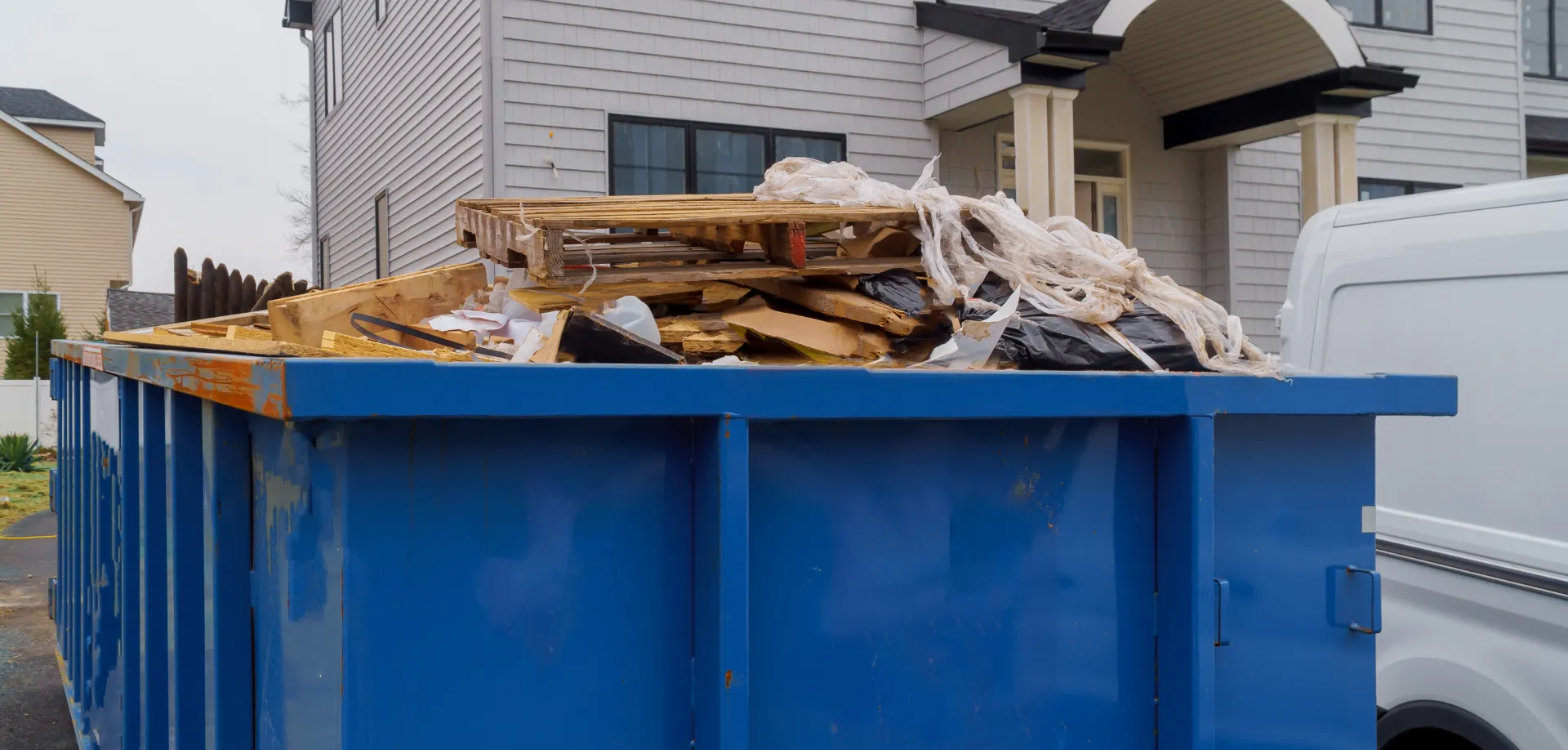
- Wood: Framing lumber, pallets, and demolition timber.
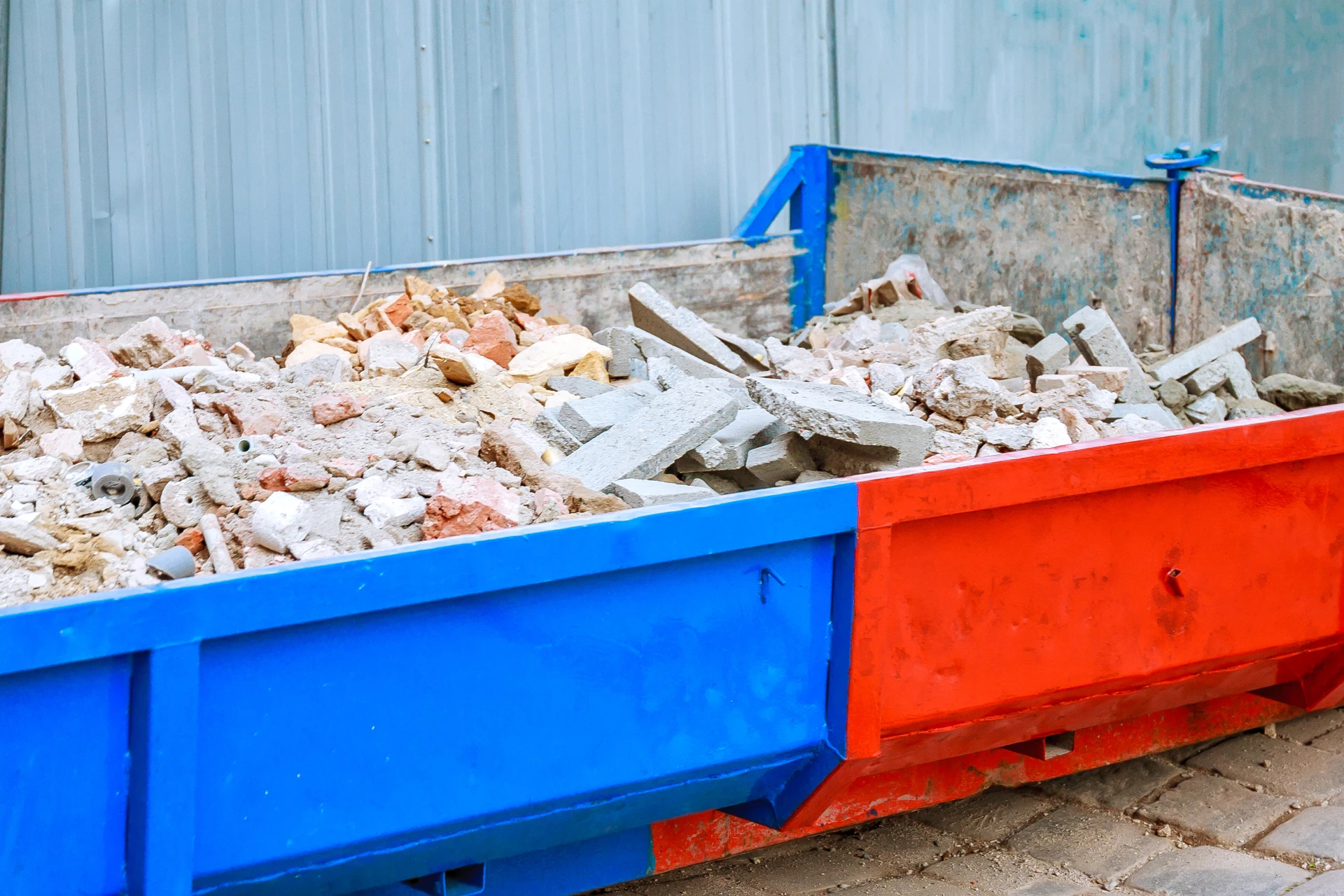
- Aggregates: Concrete, brick, and asphalt.
- Construction Debris: Drywall, shingles, and packaging plastics.
- Commercial Waste: Cardboard, paper, and office organics.
These materials make up a significant percentage of overall waste, and the encouraging reality is that most of them can be responsibly diverted with the right processes in place.
By shifting away from traditional landfill disposal, businesses not only reduce their environmental impact but also contribute to a more circular, resource-efficient economy.
Why Waste Diversion Matters for Businesses
Commercial and construction operations generate large volumes of highly specialized debris — materials that simply cannot be treated like everyday municipal rubbish.
Proper handling is essential. Waste diversion shifts the mindset from “everything goes to landfill” to a responsible approach grounded in careful sorting and resource recovery. It encourages businesses to view waste as a potential asset rather than a burden.
For contractors, developers, and property managers, waste diversion is critical because:
- Construction materials are highly recyclable: Concrete, metals, and timber have established recycling pathways and should never be discarded as general trash.
- Regulatory pressures are increasing: Across Ontario, municipalities are enforcing stricter waste reduction mandates and reporting requirements for commercial projects.
- Corporate responsibility drives value: Stakeholders expect measurable progress toward environmental goals; high diversion rates are a key metric in these evaluations.
- Risk mitigation: Specialized debris must be handled legally. Improper disposal can lead to fines, environmental penalties, and reputational damage.
Waste diversion ensures businesses stay compliant, reduce their environmental footprint, and demonstrate genuine commitment to sustainable operations.
Waste Diversion and Project Management
Project managers in commercial and construction environments play a pivotal role in shaping a project’s environmental footprint. Their responsibilities now extend beyond schedules and budgets to include sustainable material handling.
Waste diversion is no longer an optional add-on; it’s an essential part of modern project planning and execution.
This expanded responsibility includes:
- LEED Certification: Meeting green building requirements often depends on documenting strong diversion rates.
- Community Impact: Reducing site pollution and landfill usage minimizes the project’s footprint on the local area.
- Resource Prioritization: Ensuring valuable commodities like scrap metal are repurposed instead of wasted.
- Vendor Selection: Choosing licensed waste providers who strictly adhere to provincial disposal protocols.
- Compliance Documentation: Accurately tracking waste outputs to support sustainability reporting and audit readiness.
When waste diversion is built into the project from day one, workflows improve, compliance becomes easier, and businesses enjoy both environmental and financial advantages.
Sustainable planning doesn’t just protect the planet, it streamlines operations and strengthens long-term project outcomes.
How to Calculate Waste Diversion Rates
Calculating a waste diversion rate allows businesses to measure how effectively they are redirecting waste away from landfills. This metric is essential for sustainability reporting, environmental compliance, and LEED certification submissions.
The Waste Diversion Formula
To find your rate, use the standard formula accepted across industrial and construction sectors:
Waste Diversion Rate = (Total Diverted Waste ÷ Total Waste Generated) × 100
Key Variables:
- Total Waste Generated: The sum of all waste produced during the project (Recycled + Landfilled).
- Diverted Waste: The total weight of materials recycled, reused, or composted.
The result is a percentage indicating how much of your waste stream successfully avoided the landfill.
Step-by-Step: Calculating Your Diversion Rate
1. Track Total Waste
Begin by logging all materials produced. Use weight tickets, scheduled pick-up logs, or volume estimates provided by your waste management partner.
2. Separate and Quantify Diverted Materials
Sort and weigh recyclable streams such as metals, wood, and concrete. This is often achieved through:
- On-site source separation (dedicated bins).
- Post-collection sorting at a licensed facility.
- Regular waste audits.
3. Identify Landfill-Bound Waste
Calculate the weight of the remaining waste that cannot be recovered and must be sent to a landfill.
4. Apply the Formula
Divide your Diverted Waste by your Total Waste Generated and multiply by 100 to get your percentage.
Tips for Accurate Waste Diversion Tracking
- Partner with Experts: Work with a reputable provider like Hersey Bins to ensure accurate weight reporting and documentation.
- Audit Regularly: Conduct waste audits for large or ongoing operations to identify leakage in your recycling streams.
- Optimize Bin Usage: Use dedicated bins for heavy recyclables (like concrete or metal) to simplify sorting and improve data accuracy.
- Train staff or subcontractors on proper waste separation.
Accurate diversion rates help businesses:
- Comply with municipal and provincial regulations
- Meet sustainability benchmarks
- Qualify for environmental certifications
- Showcase measurable sustainability achievements
Benefits of Waste Diversion for Commercial and Construction Businesses
Implementing a robust diversion strategy helps businesses reduce environmental impact, cut operational costs, and future-proof against regulations. Here are the key benefits:
Environmental Advantages
Diversion dramatically reduces reliance on landfills, which helps:
- Reduce soil contamination and groundwater pollution.
- Lower greenhouse gas emissions, specifically methane from decomposing organics.
- Preserve natural resources (timber, water, minerals) by keeping existing materials in circulation.
Conserving Natural Resources
Recycling construction materials reduces the need for raw materials, helping preserve:
- Forests
- Mineral resources
- Energy
- Water
Significant Cost Savings
Effective waste management is often cheaper than traditional disposal:
- Reduced landfill tipping fees
- Lower hauling costs for landfill-bound materials
- Potential access to recycling incentives or tax credits
- Long-term operational savings through resource efficiency
Enhanced Corporate Reputation
Today’s clients and investors prioritize environmental responsibility. High diversion rates help you:
- Build trust with eco-conscious stakeholders.
- Strengthen brand reputation as a sustainability leader.
- Win competitive bids where environmental management plans are scored.
Meeting High Environmental and Compliance Goals
Waste diversion is often required or strongly encouraged by:
- Municipal and provincial regulations
- Corporate sustainability policies
- LEED and other green building certifications
- Waste reduction mandates in Ontario
How Hersey Bins Supports Waste Diversion for Commercial and Construction Companies
Hersey Bins plays a vital role in helping businesses achieve their waste diversion goals. With a strong commitment to responsible waste handling, recycling, and eco-friendly disposal, Hersey Bins provides commercial and construction clients with streamlined, sustainable solutions.
Bin Rental for Every Project Scale
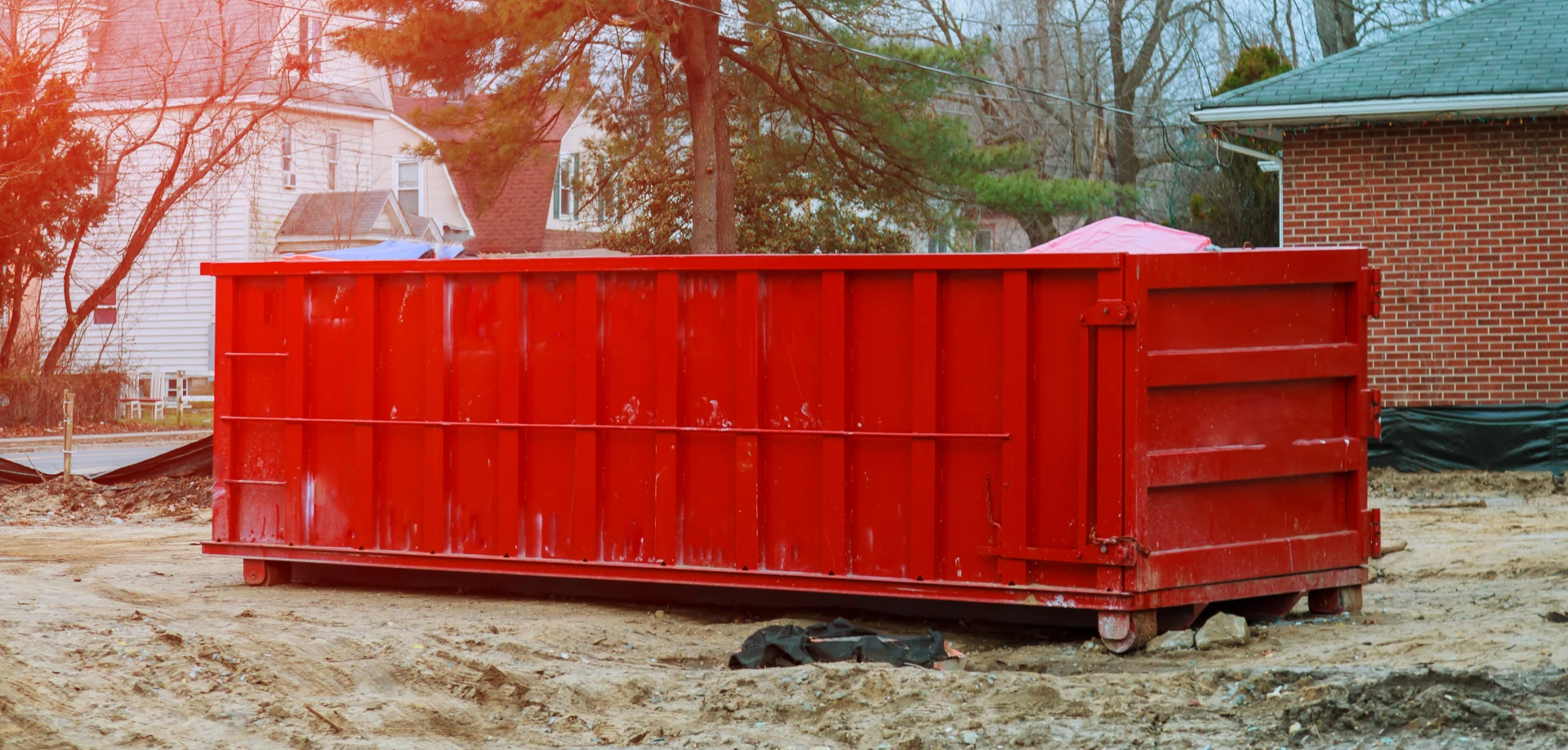
We offer a versatile range of bin sizes to accommodate everything from small office clean-outs to massive construction demolition projects.
- 7-Yard Bin: 10’ L x 8’ W x 2.5’ H
- 10-Yard Bin: 10’ L x 8’ W x 4’ H
- 15-Yard Bin: 11’ L x 8’ W x 5’ H
- 20-Yard Bin: 14’ L x 8’ W x 5’ H
- 40-Yard Bin: 20’ L x 8’ W x 8’ H
Commercial clients can also opt for permanent dumpsters for continuous waste management needs. Whether you require a construction bin or a commercial disposal solution, we have the inventory to keep your site moving.
Our Eco-Friendly Commitment: The “We Recycle” Initiative
Hersey Bins is committed to responsible waste diversion through our We Recycle initiative. We make every effort to recycle materials, ensuring recyclable waste is properly processed instead of taking up space in a landfill.
As a fully licensed provider, we handle specialized debris responsibly and prioritize sustainable waste management at every stage. From client education and sorting recommendations to diversion following pickup, we make every effort to reduce waste.
This not only supports higher diversion rates for clients but also aligns with environmental best practices across Ontario.
How the Process Works
Hersey Bins follows a simple, efficient 4-step process:
- Consultation: We help you choose the right bin size to match your waste stream and volume.
- Delivery: We place the bin on wood planks to protect your property and driveway from damage.
- Loading: You load the bin at your pace (standard 7-day rental), allowing time for proper sorting.
- Responsible Disposal: We haul the waste away, prioritizing recycling facilities for all recoverable materials.
We proudly serve communities across Ontario, including Kitchener, Waterloo, Cambridge, Guelph, and Hamilton.
Reduce Costs and Meet Your Sustainability Goals
Waste diversion plays a crucial role in supporting environmental responsibility, reducing landfill use, and promoting a circular economy.
For commercial and construction businesses, it offers measurable advantages, from reduced costs and better compliance to stronger corporate sustainability performance.
By understanding the definition, mastering the calculation, and partnering with a licensed expert like Hersey Bins, your business can turn waste management into a sustainability success story.
Striving for sustainable waste removal is good for the environment and it’s smart business.
With Hersey Bins, achieving your waste diversion goals is simple. Our recycling-focused services, licensed waste handling, and reliable bin rental options make us the ideal partner for commercial and construction waste management.
Ready to enhance your waste diversion strategy?
Contact us today to discuss your options or to request a quote and get started.