If you’re planning a backyard overhaul in Kitchener or digging out a driveway in Guelph, you’ve probably heard the term “clean fill.” It sounds simple enough, just moving some dirt, right? But in Ontario’s waste management industry, “clean fill” is a strictly regulated term. Getting the definition wrong doesn’t just annoy the disposal company; it can cost you hundreds (or thousands) of dollars in surcharges.
At Hersey Bins, we’ve spent over 35 years helping our neighbors manage their projects. We know that understanding the difference between “clean soil” and “mixed waste” is the secret to keeping your renovation budget on track. Here is your definitive guide to clean fill disposal, what actually belongs in the bin, and why keeping it “clean” matters so much.
What Exactly is Considered “Clean Fill”?
Clean fill refers to uncontaminated, non-water-soluble, inert solid material, specifically natural soil, that has not been chemically treated or mixed with dangerous substances.
In the context of bin rentals, “clean fill” strictly means excavating natural subsoil, topsoil (if screened), clay, sand, and small stones without any construction debris. While some assume “clean fill” includes materials like stones or wood, this is a dangerous assumption that often leads to rejected loads.
The Hersey Bins Standard: Soil Only
We operate with a strict “Soil-Only“ mandate for our Clean Fill bins. Why? Because once soil is mixed with rubble, sod, or garbage, it cannot be easily reused for grading or rehabilitation at receiving sites.
- Accepted: Naturally occurring non-contaminated subsoil, clay, sand, and small stones.
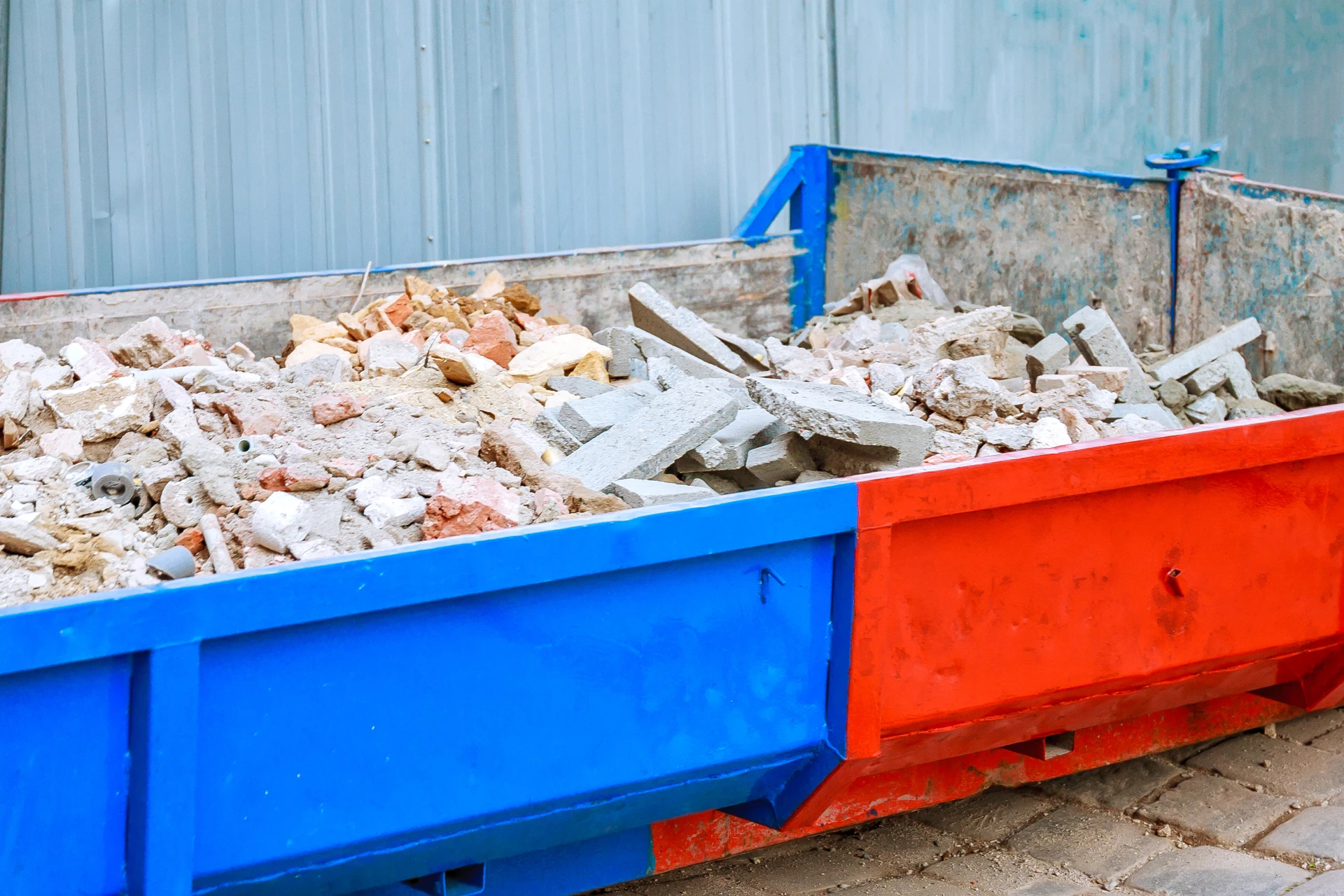
- Prohibited in Clean Fill Bins: Concrete, asphalt, brick, sod (grass), roots, wood, and general garbage.
Note: If you have concrete or brick, we take those too! But they need to go into their own dedicated concrete/brick bin or asphalt bin so they can be properly recycled into new aggregate.
What Can You Put in a Clean Fill Bin? (Detailed Breakdown)
To avoid rejected loads or unexpected fees, use this simple checklist before you start digging.
1. Uncontaminated Soil (Stream 1)
This is the “true” clean fill. It includes the earth materials you dig up from the ground.
- Subsoil: The dense layer of clay, silt, sand, and gravel found beneath the topsoil. This is ideal for structural fill.
- Topsoil: The upper layer rich in nutrients. While accepted, it must be free of heavy organic debris like large roots.
2. Materials You Must SEPARATE (Do Not Mix with Soil)
These materials are recyclable, but if you mix them into a soil bin, the entire load becomes “mixed waste,” which drastically increases the disposal price.
- Concrete & Brick: We offer 7-yard and 14-yard bins specifically for concrete disposal.
- Asphalt: Can you put asphalt in a clean fill bin? No. Asphalt contains bitumen (oil), so it must be kept separate from soil to avoid contamination issues.
3. The “Sod Misconception”
This is the most common mistake homeowners make. Sod (grass with soil attached) is NOT clean fill.
Because sod is organic, it decomposes. As it breaks down, it releases methane gas and loses volume, which causes the ground to settle. You cannot use sod for structural backfill.
- Disposal Rule: Sod goes in a Mixed Waste or Yard Waste bin, not a Clean Fill bin.
Why “Source Separation” Saves You Money
The economics of disposal are simple: Clean material is cheap to dispose of; mixed material is expensive.
When you rent a clean fill bin from us, you typically pay a flat rate. This covers the delivery, pickup, and disposal because we can take that pure soil directly to a reuse site for a low cost.
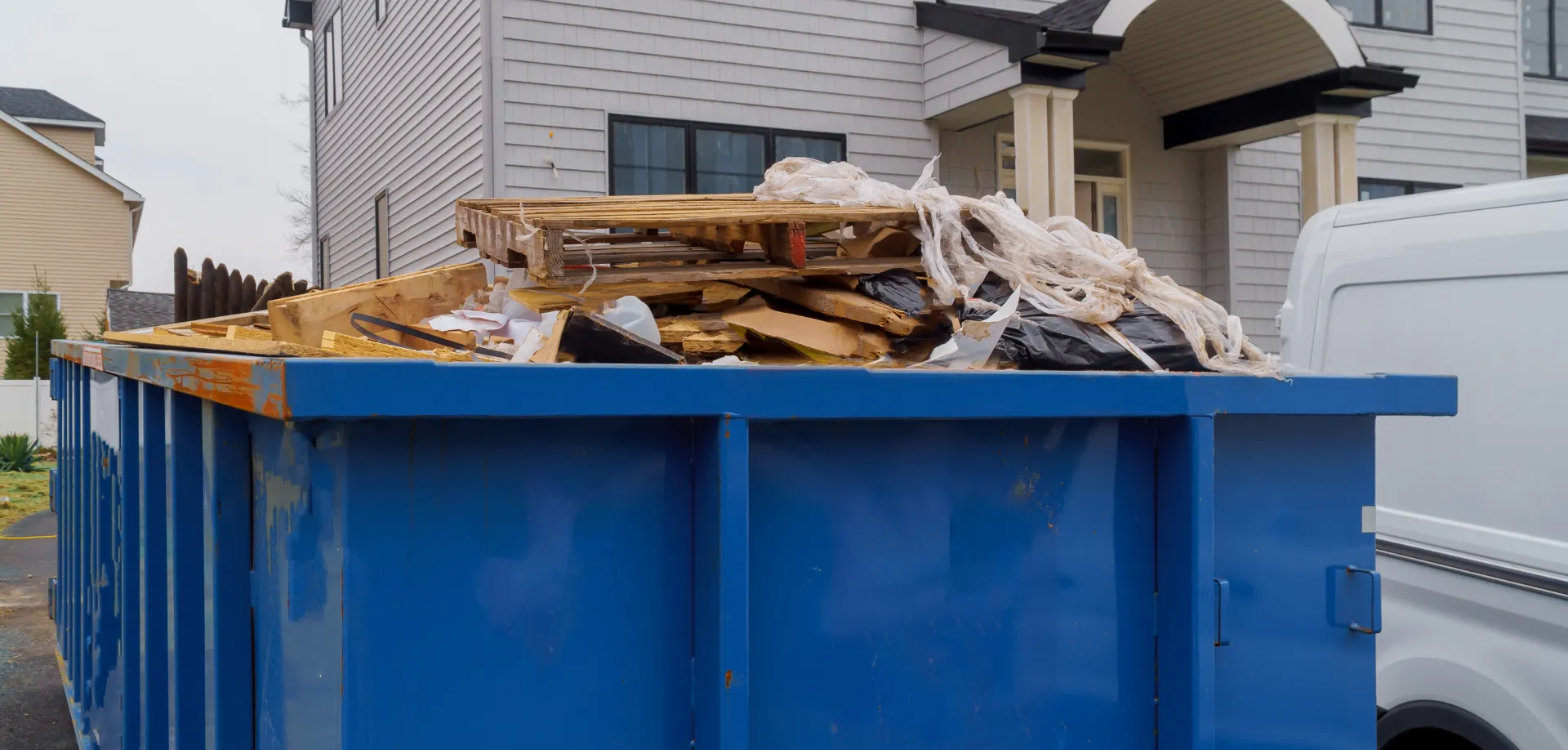
However, if you mix wood, drywall, or even a few bags of garbage into that soil bin, the load is considered contaminated. We can no longer take it to a clean fill site. It has to go to a transfer station where it is weighed and charged by the tonne. Since soil is incredibly heavy (a cubic yard can weigh 3,000 lbs!), paying by weight will skyrocket your bill.
Cost Comparison Example (Estimates)
| Scenario | Material Content | Pricing Model | Result |
| Compliant | 100% Non-Contaminated Soil | Flat Rate | Standard low fee (e.g., $450) |
| Contaminated | Soil + 5 Bags of Garbage | Weight Based | Base fee + Tonnage (Could exceed $1,500) |
The Lesson: Always keep your soil separate. If you have mixed renovation waste, rent a second bin or a mixed waste bin.
Important Rules & Prohibited Items
Beyond saving money, adhering to clean fill rules is about safety and legal compliance under Ontario Regulation 406/19.
1. Strictly Prohibited Hazardous Items
Never place the following in any bin. These pose severe environmental risks and carry heavy fines.
- Liquid Waste: Paint, oil, solvents, liquid soil (slurry).
- Batteries & Electronics: Heavy metal leaching risk.
- Propane Tanks: Explosion hazard.
- Tires: Fire hazard.
2. Invasive Species (The “Hidden” Contaminant)
In areas like Kitchener and Waterloo, we have to be careful about invasive species like European Fire Ants or Japanese Knotweed.
- The Risk: Moving soil from an infested area spreads these pests to new locations.
- The Rule: If you know your property has Japanese Knotweed (which can grow through concrete!), that soil is considered contaminated waste and cannot be reused as clean fill.
Bin Sizing: Why are Clean Fill bins usually smaller?
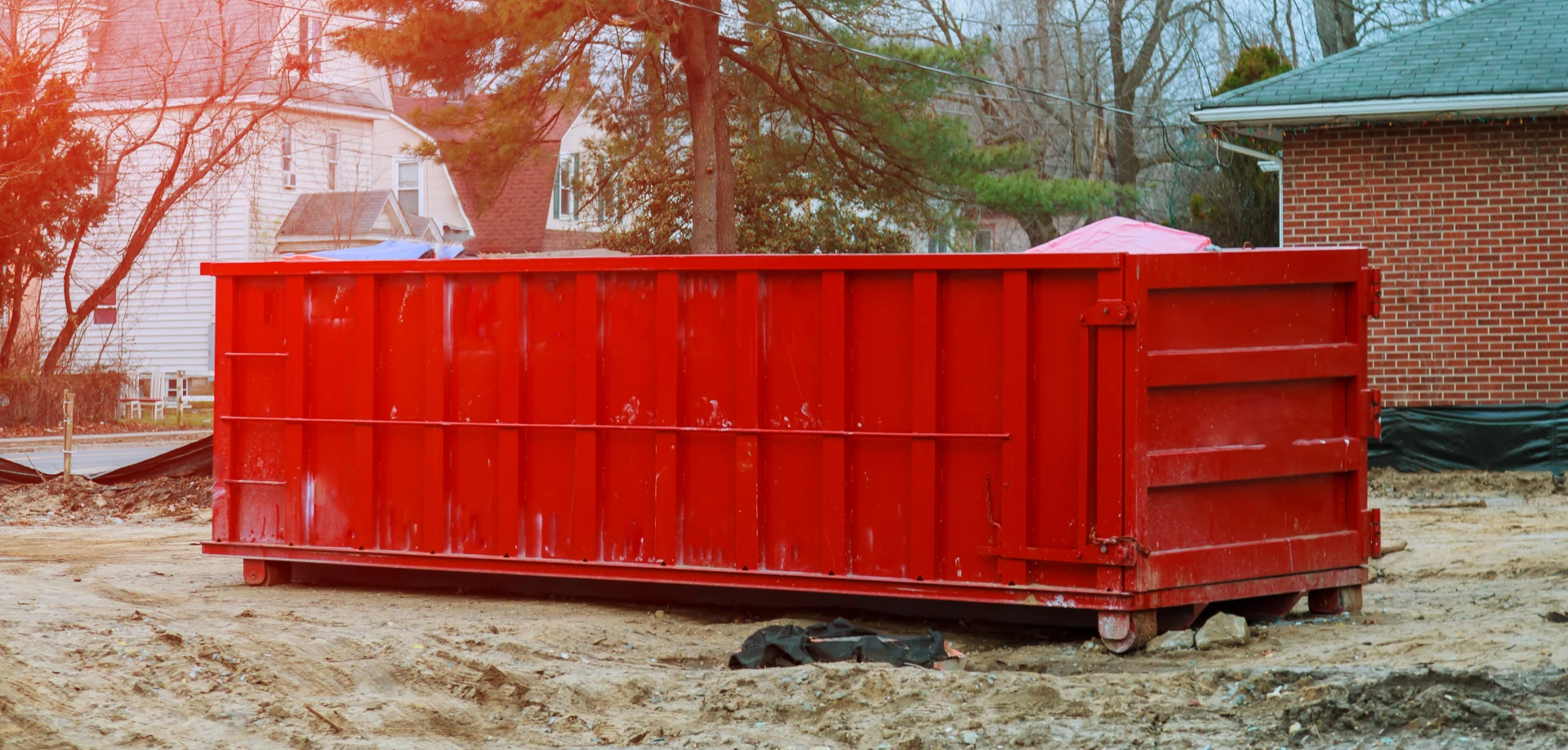
You might notice we only offer 7-yard and 14-yard bins for Clean Fill and Concrete. This isn’t because we want to limit you; it’s a matter of physics.
Soil is incredibly dense. A 7-yard bin filled with soil weighs approximately 8 to 9 tonnes.
If we allowed you to fill a massive 20-yard or 40-yard bin with dirt, the truck simply couldn’t lift it. Even if it could, the truck would be overweight for Ontario roads, leading to impoundment and fines.
Our Clean Fill Sizes:
- 7 Yard: Perfect for small landscaping jobs, and excavation projects..
- 14 Yard: For larger clean fill projects (Strict weight limits apply – always ask us first).
Frequently Asked Questions
Does grass count as clean fill?
No. Grass and sod are organic waste, not clean fill. They decompose and cause ground settling. Sod must be disposed of in a mixed waste or yard waste bin, separate from clean soil, to avoid contamination surcharges.
Can I mix concrete with dirt in a clean fill bin?
No, at Hersey Bins, we require separation. Mixing concrete with soil devalues both materials. We recommend renting one bin for non-contaminated soil and a separate bin for concrete to ensure you get the lowest flat-rate pricing for both.
What happens if I put garbage in a clean fill bin?
The load will be rejected at the clean fill site. It will be reclassified as “mixed waste” and diverted to a landfill. You will lose your flat rate and be charged by the tonne for the entire weight of the soil, often tripling the cost.
How much soil can I move without a permit?
Generally, up to 350 cubic meters. Under Ontario Regulation 406/19, residential projects moving less than 350 m³ (approx. 60 bins) are exempt from filing on the Excess Soil Registry, provided the soil is not contaminated.
The Hersey Bins Promise
Managing excavation waste doesn’t have to be a headache. Whether you are a homeowner in Cambridge fixing up a garden or a contractor in Waterloo managing a site, we have the right equipment for the job.
We are a family-owned business that treats your property with respect. That means:
- Driveway Protection: We always place wood boards under the bin to protect your asphalt.
- We Sweep Up: We sweep your driveway when we pick up the bin, leaving it tidy.
- Transparent Pricing: No hidden fuel surcharges or surprise fees.
Ready to start digging? Ensure your project stays on budget with a compliant clean fill bin. Request a quote today or call us at 519-824-5097 for expert advice on sizing and soil separation.