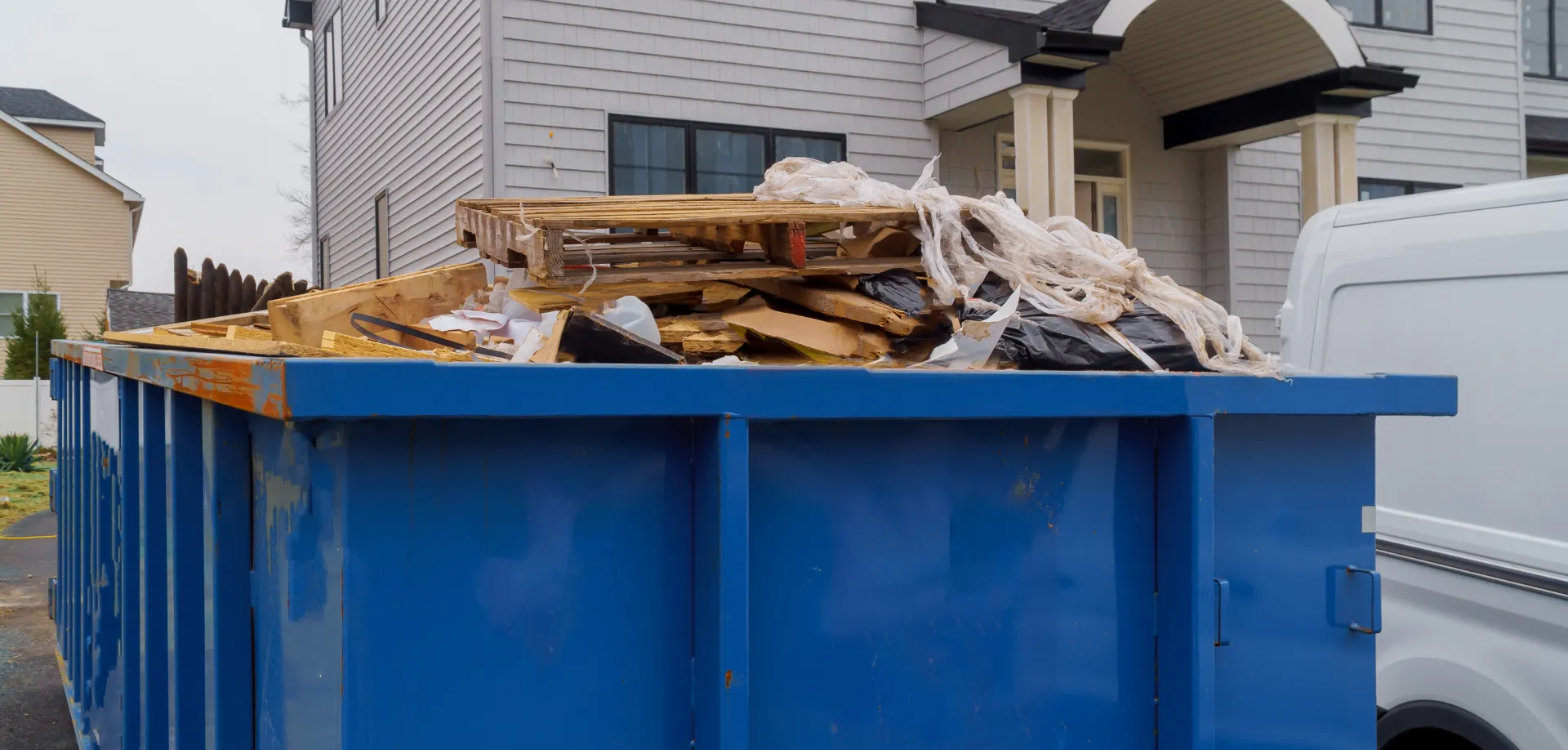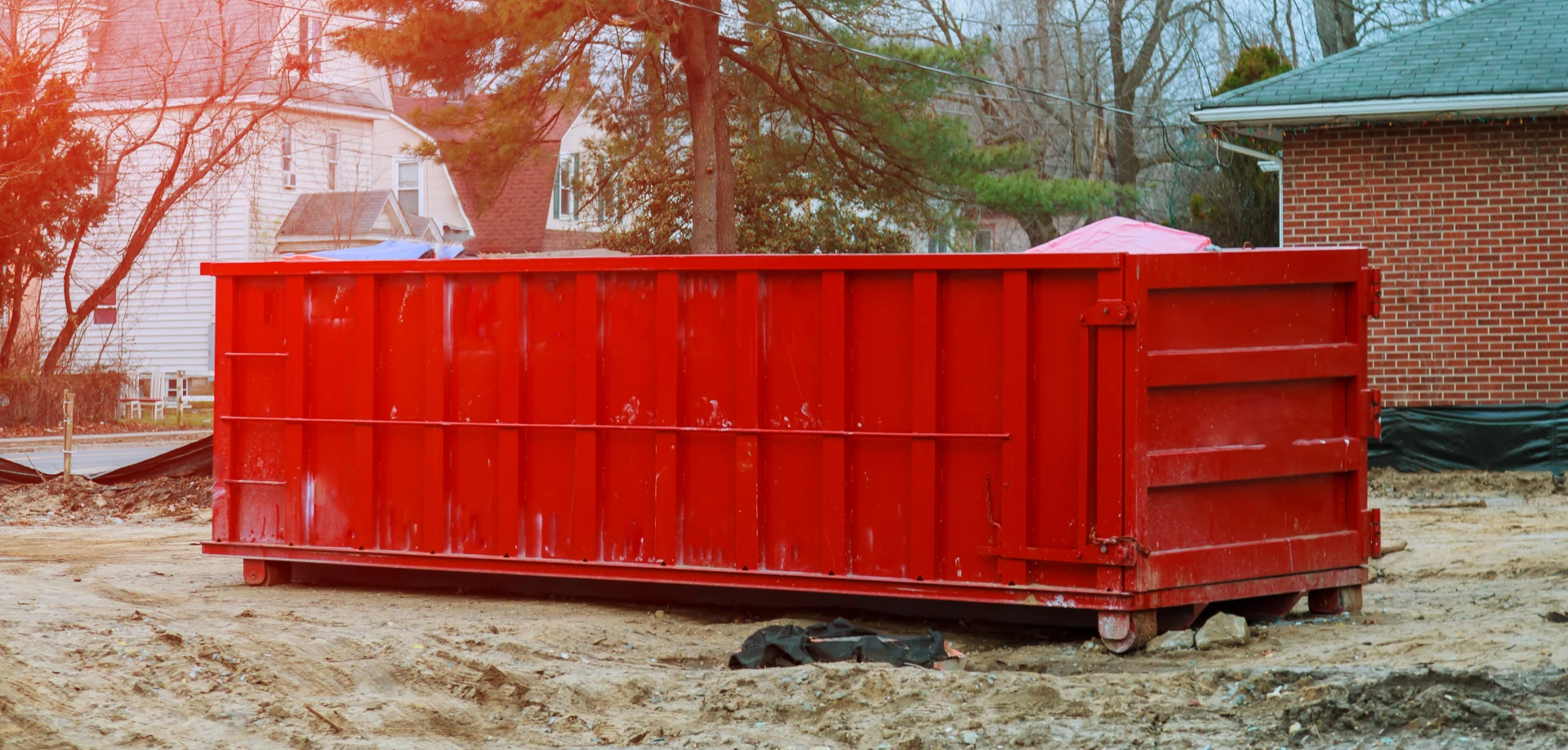
In the construction world, especially here in Southern Ontario, “throw it all in the bin” is an expensive strategy.
For general contractors and project managers operating in the Kitchener-Waterloo-Guelph (KWG) corridor, waste management has evolved. It’s no longer just about getting debris off-site; it’s about navigating a complex web of regulations, municipal bylaws, and weight-based tipping fees.
At Hersey Bins, we’ve been hauling bins for over 35 years. We see it every day: a contractor mixes a few sheets of drywall into a concrete load, and suddenly, a cheap drywall disposal bin turns into an expensive mixed waste load.
This guide breaks down the DNA of your waste streams, differentiating construction from demolition, and explains how a smart sorting strategy can save your profit margins.
The DNA of Waste: What is the Difference?
While often grouped together as “C&D” (Construction and Demolition), these are two very different material flows with different disposal costs.
What is Construction Waste?
Construction waste is the “clean” byproduct of creation. It is generated during new builds or renovations using new materials. Because these materials (like new lumber ends, packaging, and unpainted drywall) haven’t been exposed to historical contaminants, they are easier to recycle and generally safer to handle.
- Typical Materials: Dimensional lumber off-cuts, engineered wood (OSB), new unpainted drywall, cardboard packaging.
- Contamination Risk: Low.
What is Demolition Waste?
Demolition waste is the residue of destruction. It comes from dismantling existing structures. This stream is “messy” because it mixes materials like wood, glass, insulation, and rubble, and often contains bonded materials (like flooring glued to concrete).
- Typical Materials: Concrete, asphalt, painted wood, plaster, roofing shingles, insulation.
- Contamination Risk: High (Risk of asbestos, lead paint, or treated wood).
The “Lazy Tax”: Why Separation Matters
In the waste industry, we often talk about the distinction between inert waste and active waste. Understanding this is key to lowering your bill.
- Inert Waste: Materials like concrete, bricks, and clean soil. These do not rot or produce gas. Because they are stable and can be crushed into road base, they are cheaper to dispose of, but only if kept pure.
- Metabolic Waste Materials like wood, drywall, and organics. These degrade and produce methane or hydrogen sulfide gas. This is why the Region of Waterloo bans drywall from landfills; it rots and smells like rotten eggs.
If you mix inert and active waste, you pay the “mixed load” rate, which is significantly higher.
Cost Impact: Separated vs. Mixed (Estimates)
| Waste Stream | Status | Relative Cost |
|---|---|---|
| Clean Concrete/Rubble | Inert (Recyclable) | Lowest (e.g., ~$74/tonne) |
| Clean Wood | Recyclable | Mid-Range (e.g., ~$110/tonne) |
| Mixed Demolition | Landfill/Sort | Highest (e.g., ~$220/tonne) |
Pro Tip: A 40-yard bin of clean wood contaminated with just one bag of garbage or painted drywall becomes mixed demolition. That mistake can double your disposal cost per tonne. We call this the “Lazy Tax.”
Can Demolition Waste and Construction Waste Go in the Same Bin?
Yes, they can be mixed in a general garbage bin, but it is the most expensive way to dispose of waste.
If you are running a large project, mixing everything into one 40-yard bin means you are paying top dollar to dispose of heavy items (like concrete) that could have been recycled for cheap. To maximize profit, use a three-tier sorting system:
- Tier 1 (The Heavyweights): A small 7-yard or 14-yard bin strictly for concrete, bricks, or asphalt. Zero wood or trash allowed.
- Tier 2 (The Volume): A larger 20-yard or 40-yard bin for mixed construction debris (wood, flooring, packaging).
- Tier 3 (Hazmat): Hazardous materials must never enter a Hersey Bin. For commercial hazardous waste, you must contract a specialized licensed hauler.
Prohibited Materials: The “No-Go” List
We are a zero hazmat company. To keep our drivers safe and your costs predictable, strict adherence to exclusion lists is required.
What materials are prohibited in demolition bins?
Strictly prohibited items include asbestos, liquid paint, tires, batteries, propane tanks, and bio-hazardous waste.
A common trap for contractors is pressure-treated wood.
- The Risk: Wood treated for outdoor use (decks/fences) often contains copper and arsenic.
- The Rule: Pressure-treated wood cannot be mixed with “clean wood recycling. If you hide green-treated lumber in a clean wood bin, the entire load may be rejected at the recycling facility.
The Zero Hazmat Policy
- Paint: Liquid paint is banned. Empty, dry cans (lids off) are usually okay in metal recycling.
- Asbestos: If you are demolishing a pre-1990 home, you must have a Designated Substance Survey (DSS) done. Asbestos cannot go in our bins, it requires specialized abatement haulers.
- Clean Fill: Ensure your clean fill bins do not contain roots, plastic, large stone, or any other waste besides non-contaminated soil.
Local Regulations: KW, Cambridge, and Guelph
The rules change depending on which side of the city limit you are on.
- Region of Waterloo (Kitchener/Cambridge): There is a strict ban on landfilling drywall and cardboard. These materials must be diverted. If a load at the Savage Drive transfer station is found to have significant cardboard, it can be rejected.
- City of Guelph: The Waste Resource Innovation Centre (WRIC) is a leader in sorting. They have specific drop-off areas for clean wood, shingles, and rubble. Commercial access is typically restricted to Tuesday–Friday, so plan your bin swaps accordingly!
Do I Need a Specific Bin Size for Heavy Demolition Debris?
Yes. For heavy materials like concrete, brick, or soil, you are restricted to 7-yard or 14-yard bins to remain road-legal.
A 40-yard bin filled with concrete would weigh 60–80 tonnes, which would crush the truck’s axles and destroy the road.
- 7 Yard Bin: Perfect for concrete, asphalt, or clean fill (soil).
- 14 Yard Bin: Good for roofing shingles or moderate cleanouts.
- 20 & 40 Yard Bins: Ideal for high-volume, low-weight material like general renovation debris, wood, and insulation.
Operational FAQs for Contractors
Can I burn clean wood on-site to save fees?
No. Open-air burning of construction waste is illegal in Kitchener, Waterloo, and Guelph. It violates fire bylaws and environmental regulations. The fines far exceed the cost of a rental bin.
Does Hersey Bins sort the waste for me?
While Hersey Bins actively sorts waste after collection, focusing on diverting recyclables like wood, metal, and concrete from landfills, you are responsible for what goes into the bin. While transfer stations do some sorting, if you rent a mixed bin, you pay the mixed rate. Source separation (sorting it yourself on-site) is the only way to guarantee lower “clean load” pricing.
How do I handle asphalt shingles?
Keep them separate. Shingles are recyclable into new road asphalt. A dedicated shingle bin is significantly cheaper than mixing shingles with general trash, but they must be free of wood pallets and garbage.
Build Smart, Dump Smart
The days of indiscriminate bulk disposal are over. Between the “Lazy Tax” on mixed loads and the strict bylaws in Waterloo and Guelph, the contractor who sorts their waste is the contractor who keeps their profit.
At Hersey Bins, we are your partners in keeping your site efficient. We provide the reliable equipment you need, placed on wood boards to protect your driveway, and we sweep up when we leave.
Need to schedule a swap or get a quote for your next project?
Request a Quote Online or call us. Let’s keep your site clean and compliant.